
AIIMS Delhi Research Highlights a Growing Concern: Heavy Metal Exposure, Autism, and the Importance of Gut Health
Why Parents Should Pay Attention to This Emerging Research
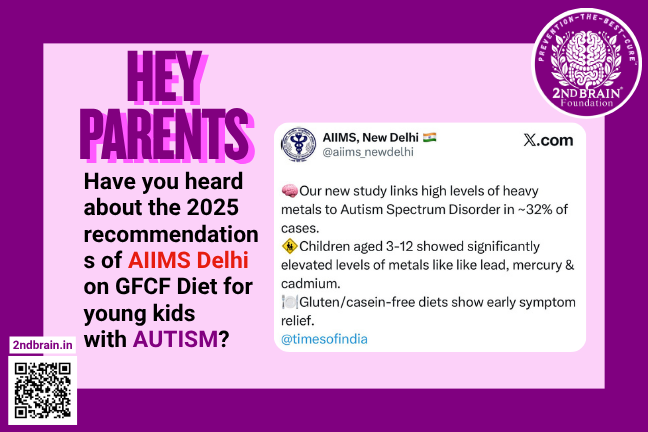
In 2025, research associated with experts from AIIMS New Delhi brought renewed attention to an important topic in autism research: the potential role of environmental factors, including heavy metal exposure, in Autism Spectrum Disorder (ASD). Studies and media reports highlighted elevated levels of metals such as lead, mercury, cadmium, chromium, and manganese in a subset of children with autism, raising important questions about environmental health and neurodevelopment. (The Indian Express)
According to reports covering the research, elevated heavy metal exposure was linked with approximately one-third of observed autism cases, particularly among children between the ages of 3 and 12 years. Researchers emphasized that autism is a complex condition influenced by multiple factors, including genetics, environment, immunity, metabolism, and neurological development. (The Indian Express)
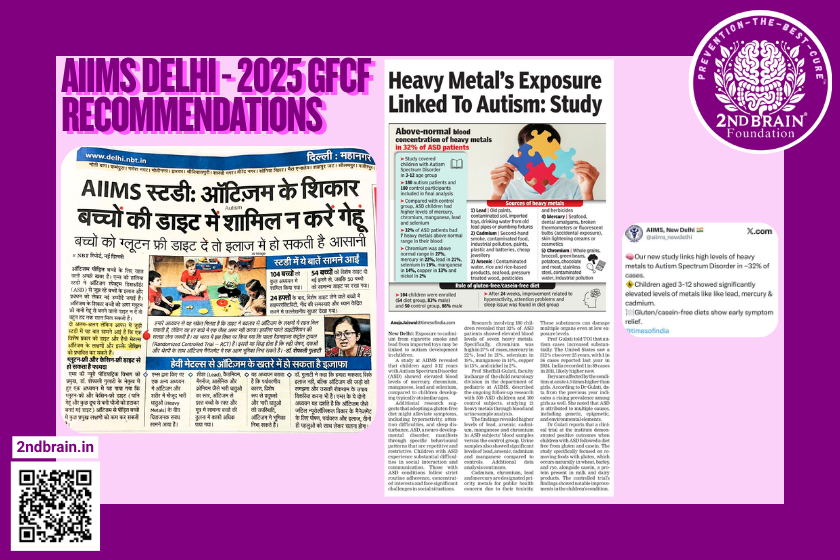
While this research does not suggest that heavy metals are the sole cause of autism, it strengthens the growing scientific discussion around environmental exposures and their possible impact on vulnerable children.
What Are Heavy Metals and Why Are They Concerning?
Heavy metals such as lead, mercury, cadmium, and chromium can enter a child’s environment through multiple sources, including:
Research suggests that excessive exposure to these metals may contribute to oxidative stress, inflammation, neurological dysfunction, and disruptions in normal developmental pathways. (The Indian Express)
For developing children, reducing unnecessary exposure to environmental toxins remains an important preventive health measure.
The Gut-Brain Connection: An Overlooked Piece of the Puzzle
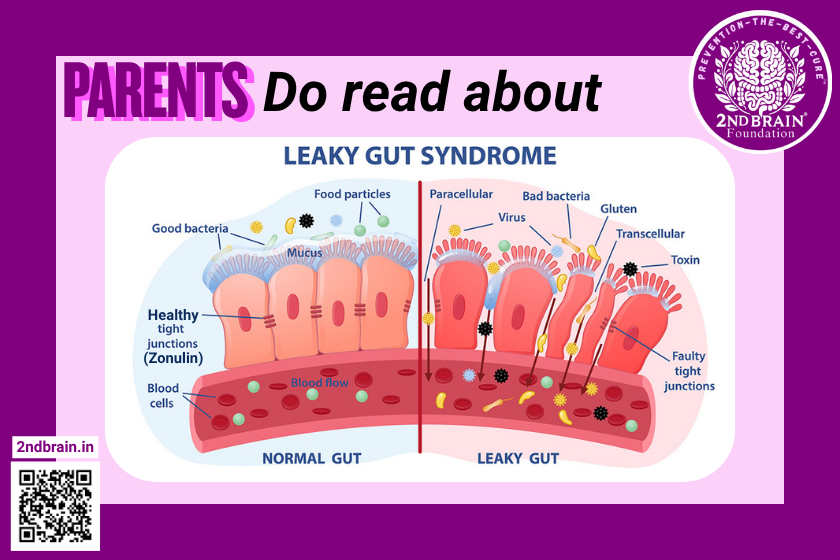
Over the past decade, growing research has highlighted a strong connection between the gut, immune system, metabolism, and brain function.
Many children with autism experience gastrointestinal concerns such as:
Researchers at AIIMS have also highlighted the significant prevalence of gastrointestinal issues among children with autism and the importance of addressing overall nutritional health. (pedneuroaiims.org)
This is where the concept of therapeutic nutrition becomes increasingly relevant.
Can a Gluten-Free, Casein-Free (GFCF) Diet Help?
Many families across the world have explored Gluten-Free, Casein-Free (GFCF) dietary approaches as part of a broader autism management plan.
Some parents report improvements in areas such as:
Emerging research continues to investigate how dietary interventions may influence metabolism, gut health, inflammation, and behavioral outcomes in some children with autism. (Springer)
However, it is important to understand that no diet is a universal solution. Outcomes vary from child to child, and dietary changes should always focus on maintaining balanced nutrition rather than simply removing foods.
A Message to Parents
If you missed this news when it first appeared in 2025, you are not alone. Despite the significance of the discussion, the findings received limited mainstream coverage.
More importantly, there is no reason for panic.
Autism is complex, and no single study provides all the answers.
Instead of focusing on fear, focus on practical action:
✔ Continue evidence-based therapies
✔ Improve nutritional quality
✔ Support gut health
✔ Reduce unnecessary exposure to environmental toxins
✔ Encourage balanced, nutrient-dense meals
✔ Monitor digestive health and eating patterns
Small, consistent improvements in nutrition and lifestyle can contribute meaningfully to a child’s overall well-being.
The 2nd Brain Foundation Perspective
At 2nd Brain Foundation (SBF), we believe that therapeutic nutrition should be accessible, affordable, and practical for every family.
Our work focuses on:
We strongly advocate combining nutritional interventions with ongoing therapies, educational support, medical guidance, and family-centered care.
Healing Starts in the Gut
The conversation around autism is evolving.
Research is increasingly exploring how genetics, environment, immunity, metabolism, nutrition, and gut health interact with brain development. While many questions remain unanswered, one message is becoming increasingly clear:
A child’s overall health matters.
Better nutrition.
Better gut health.
Better support systems.
Better awareness.
Together, these can help create a stronger foundation for growth, learning, and quality of life.
Need Guidance?
If you would like to learn more about gut-friendly nutrition, GFCF dietary approaches, therapeutic foods, or parent education programs, connect with the team at 2nd Brain Foundation (SBF).
Healing starts in the gut. And every family deserves access to that knowledge. 💙
Related Links:
https://www.instagram.com/p/DXGydv_FOwV/
https://www.instagram.com/p/DXMU6SzSxEW/
https://www.instagram.com/p/DWIOJCzieeF/
https://www.instagram.com/p/DWEPqWGJ4ci/
Call Us For More Details
info@2ndbrain.in
Bangalore-66, Karnataka, INDIA